Case Study — 04 / Founder & President, Villanova Robotics / 2024–Present
Villanova Combat Robotics — Founder & President
Founded Villanova's Combat Robotics Club, scaling to 30+ members, securing $15,000+ in sponsorships, and engineering extreme-environment mechanical systems for NHRL competition.
I founded and grew Villanova's Combat Robotics Club into a highly active engineering organization of over 45 members. As President, I manage all technical and operational facets from complex CAD design and iterative rapid prototyping to securing corporate sponsorships and deploying teams to the National Havoc Robot League (NHRL). I architected the club's curriculum, taught advanced SolidWorks, kinematic weapon design, and embedded electronics to underclassmen.
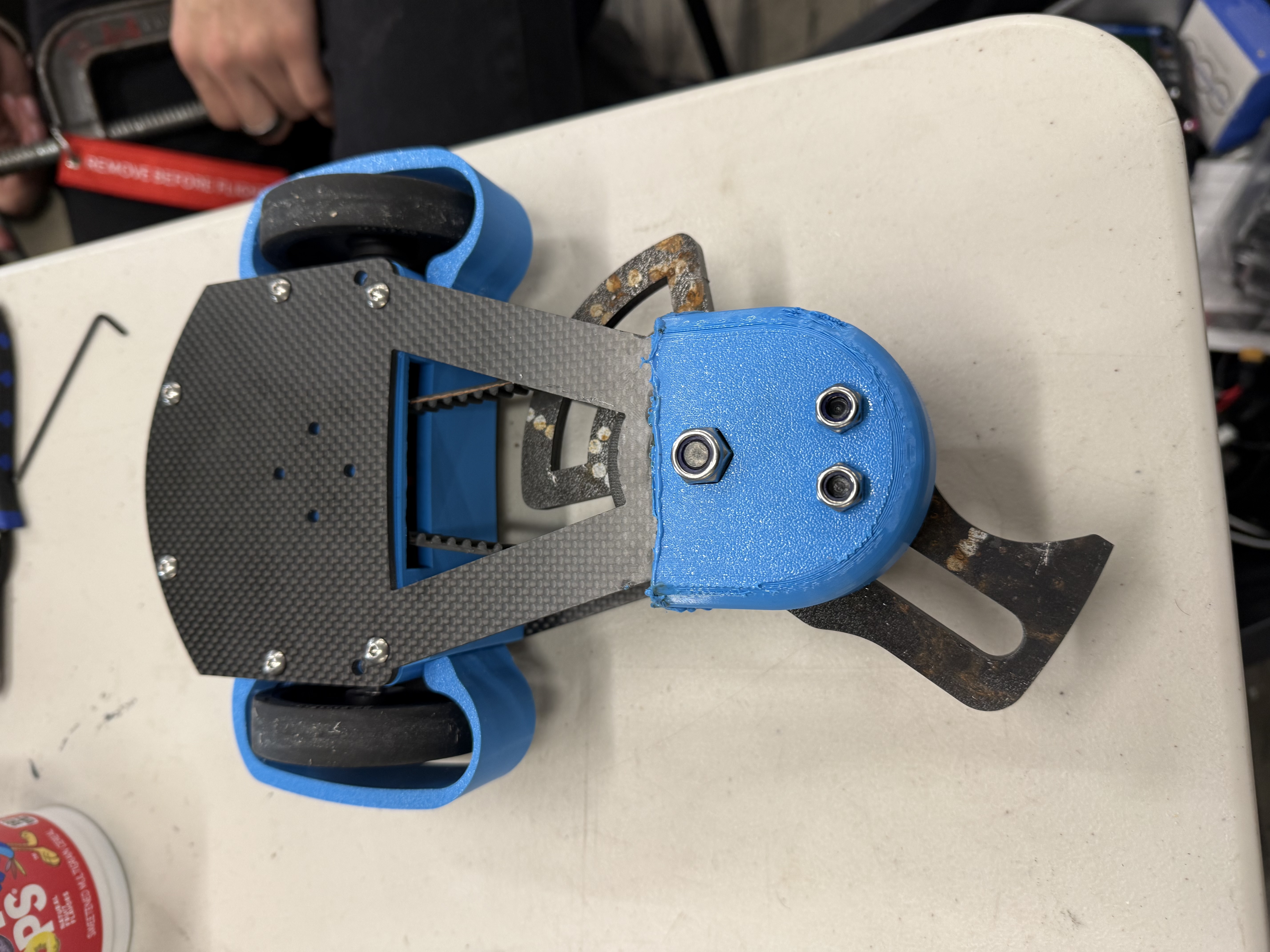
Combat robotics demands extreme mechanical resilience. I led the design and fabrication of multiple 3lb kinetic-energy weapons platforms. This required deep knowledge of materials science (titanium, AR500 steel, UHMW, PLA, TPU, carbon fiber), brushed and brushless DC motor integration, and high-current Electronic Speed Controllers (ESCs). Through rigorous testing and failure analysis, we iteratively optimized chassis geometries to maximize energy transfer while surviving high-G impacts and still maintaining proper weight limits.
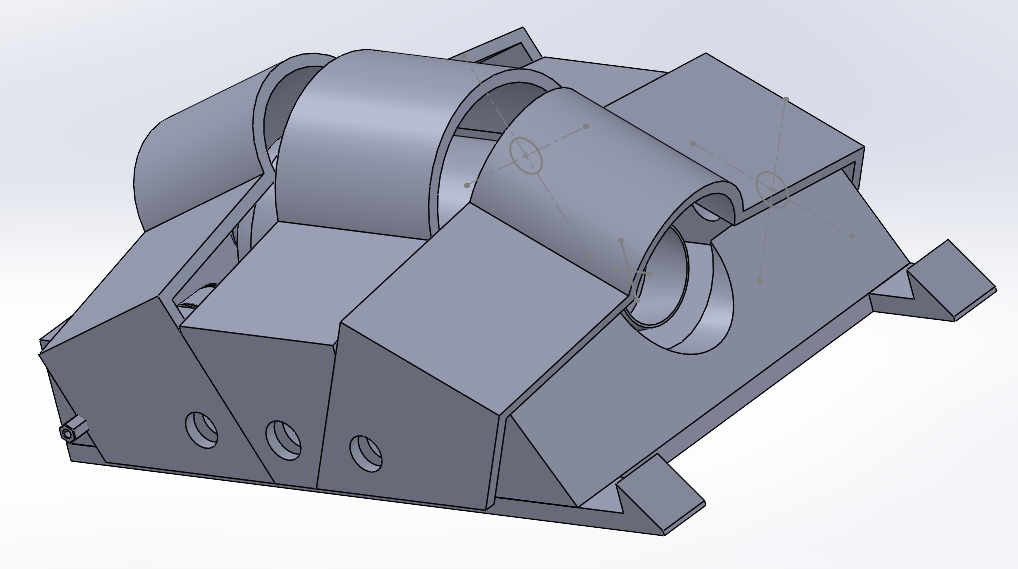
Developing a reliable combat robot meant facing catastrophic failures and instantly redesigning weak points. Because we did not have a proper test cage, all tests were simulated until competition day where we had an hour or two to rapidly redesign where needed. This slideshow highlights the multiple rapid prototyping phases the 3lb bot went through by strengthening armor plates and shifting internal weight distribution after every test cycle.
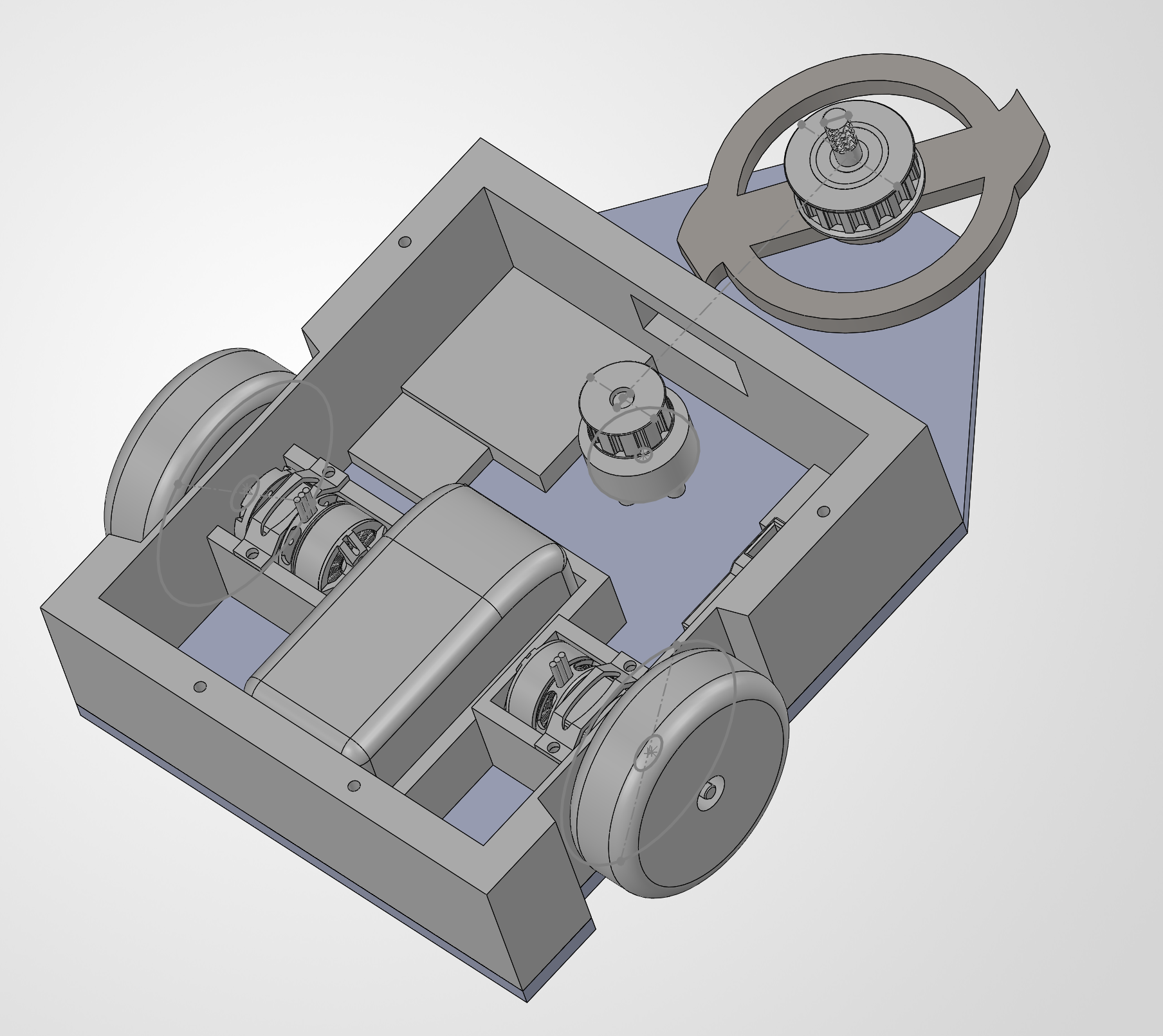
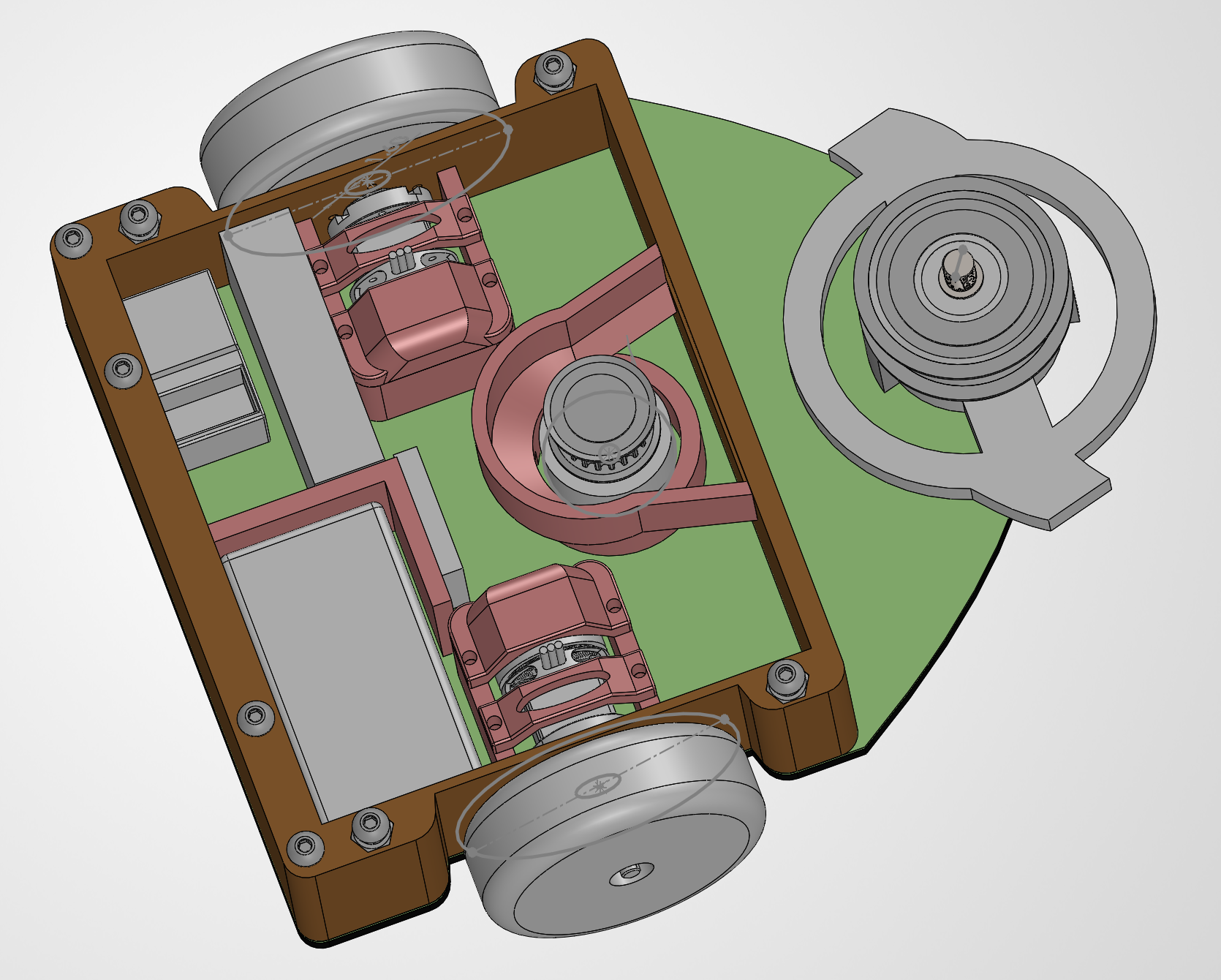
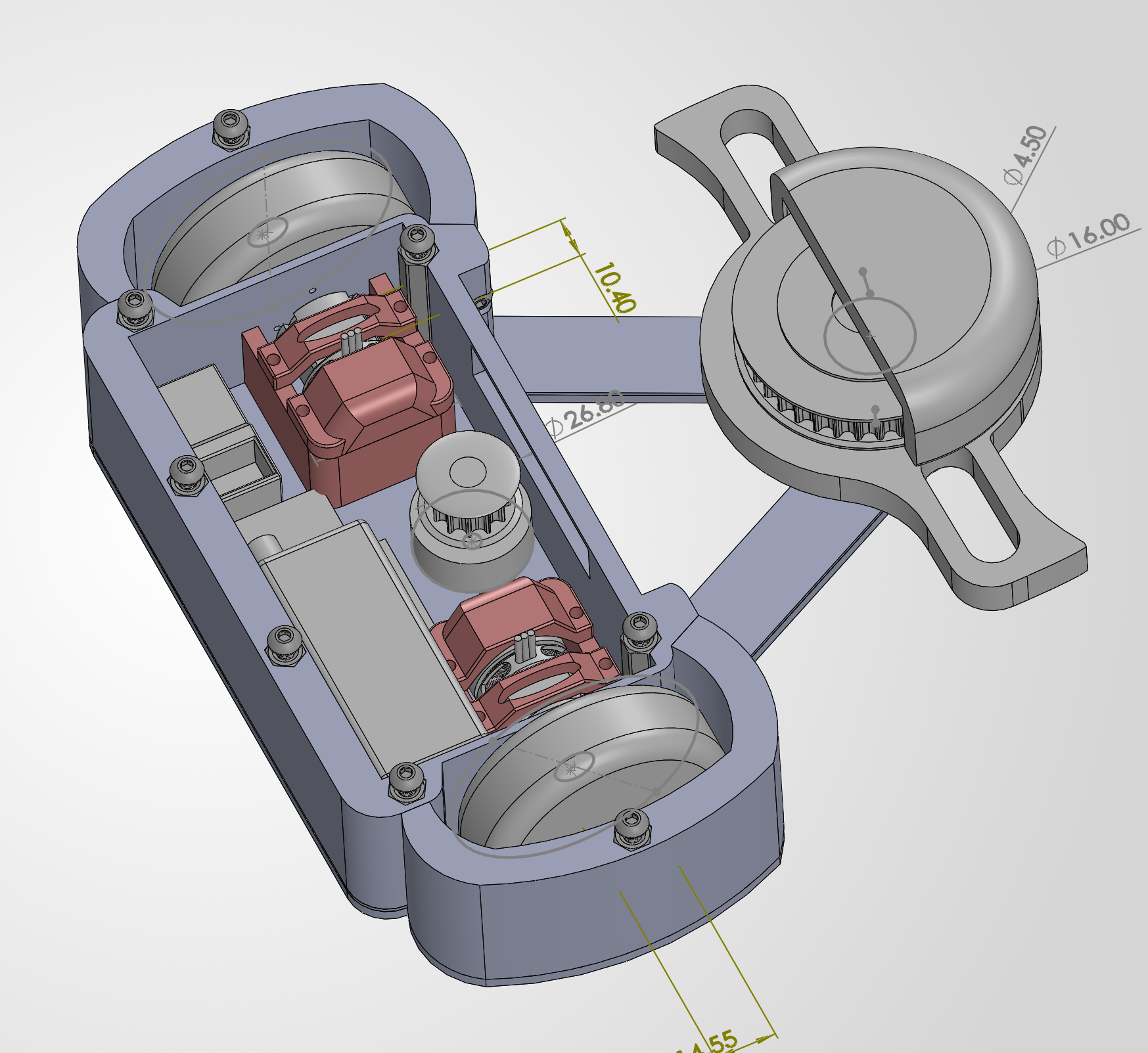
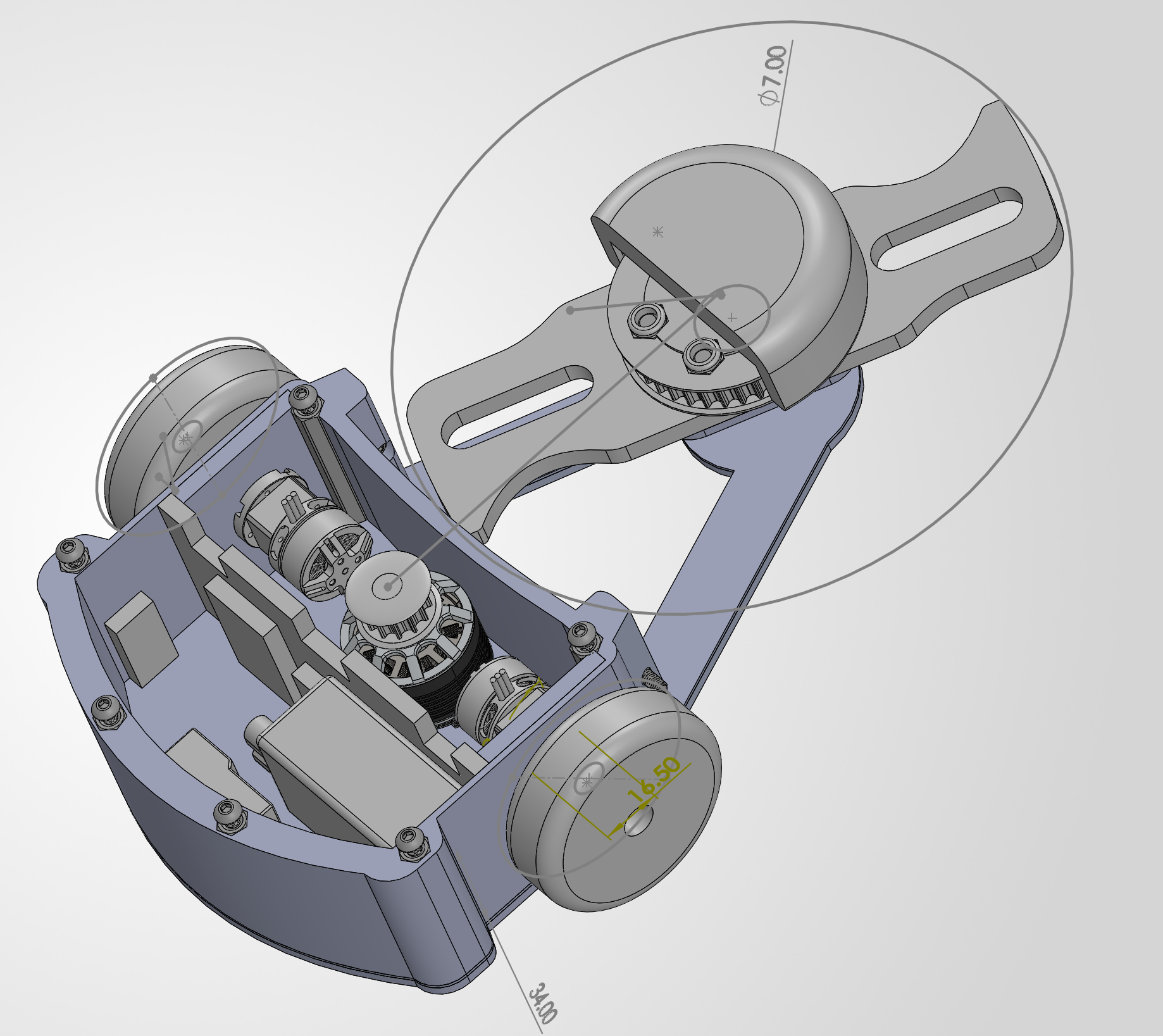
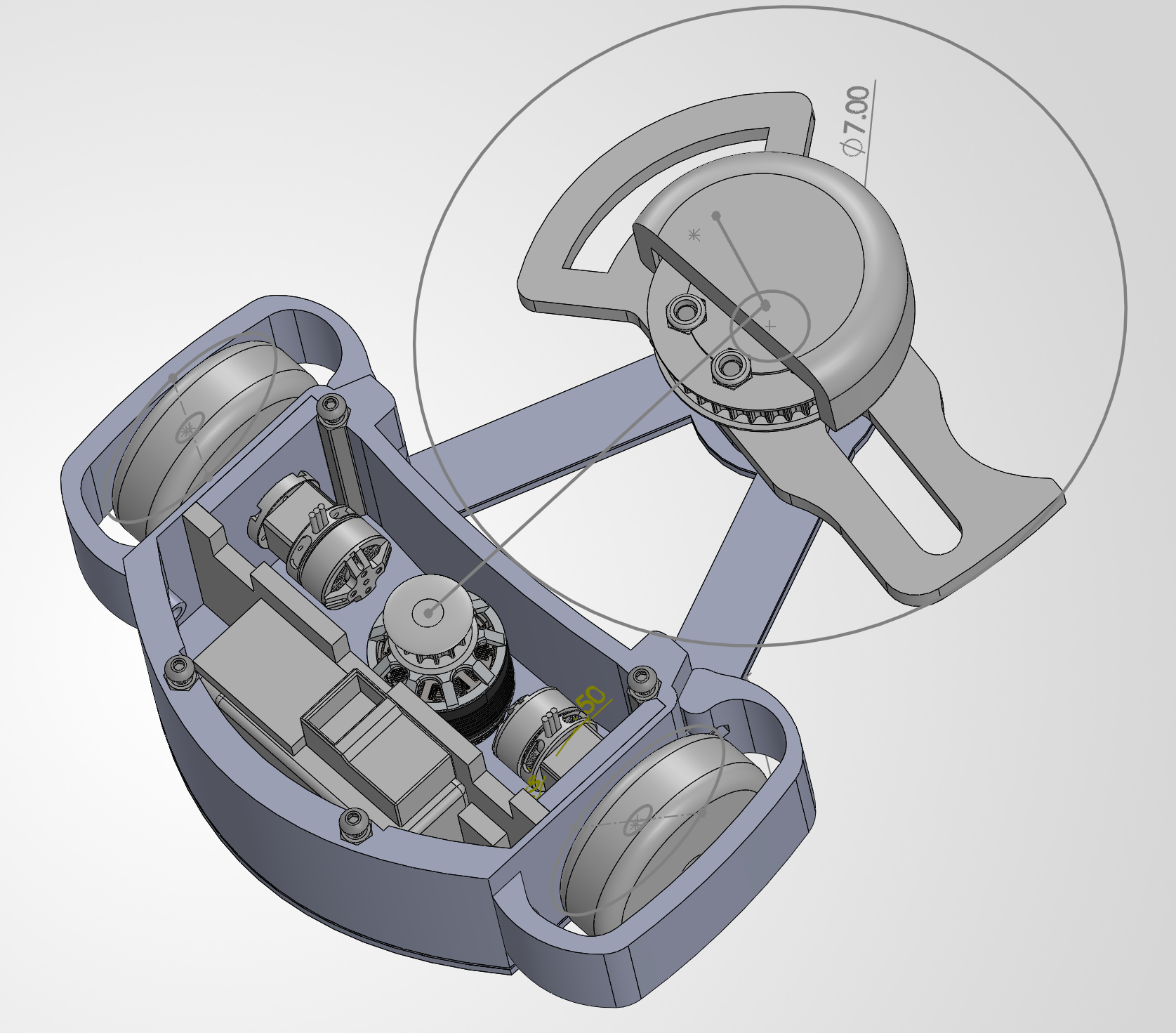
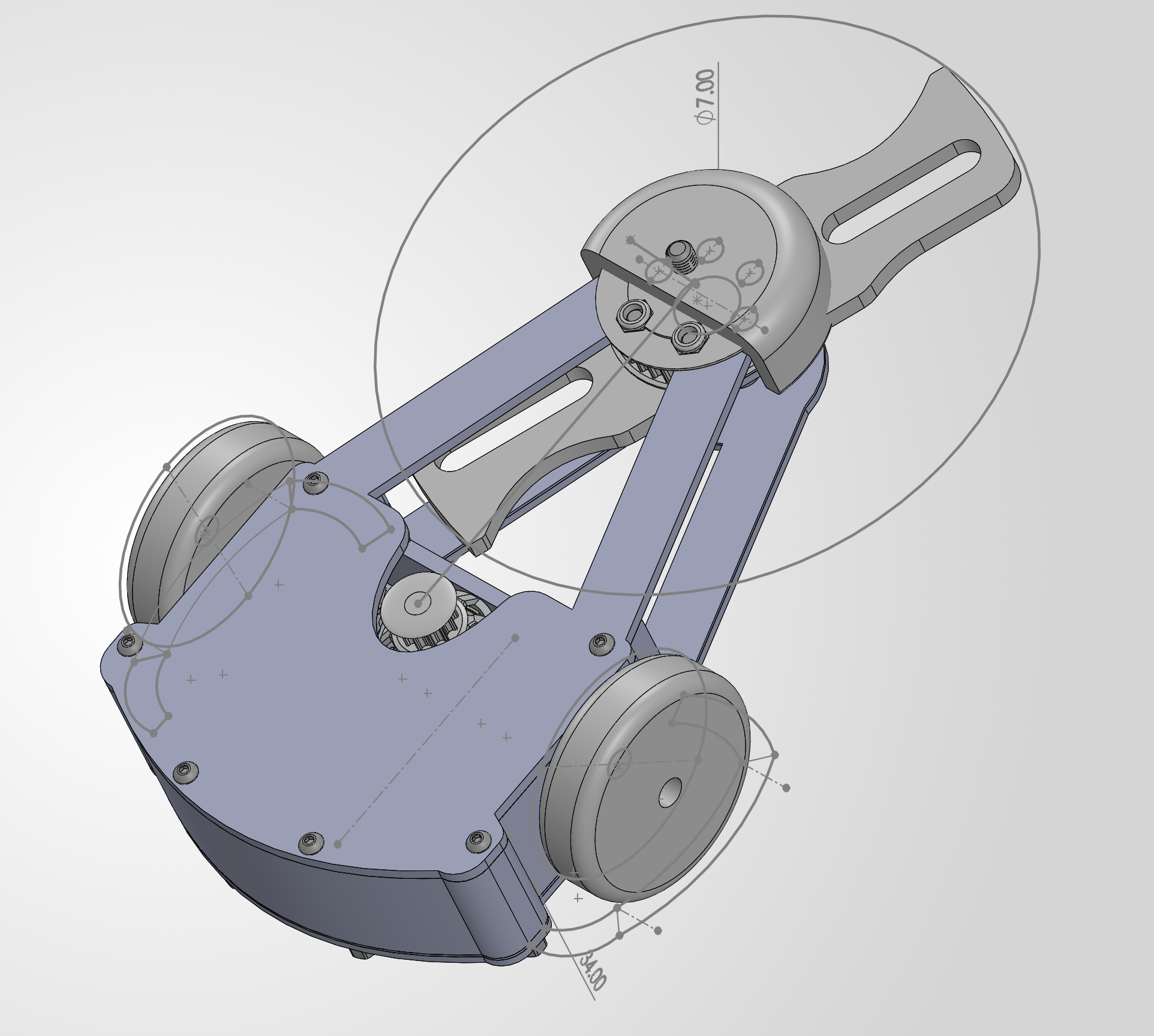
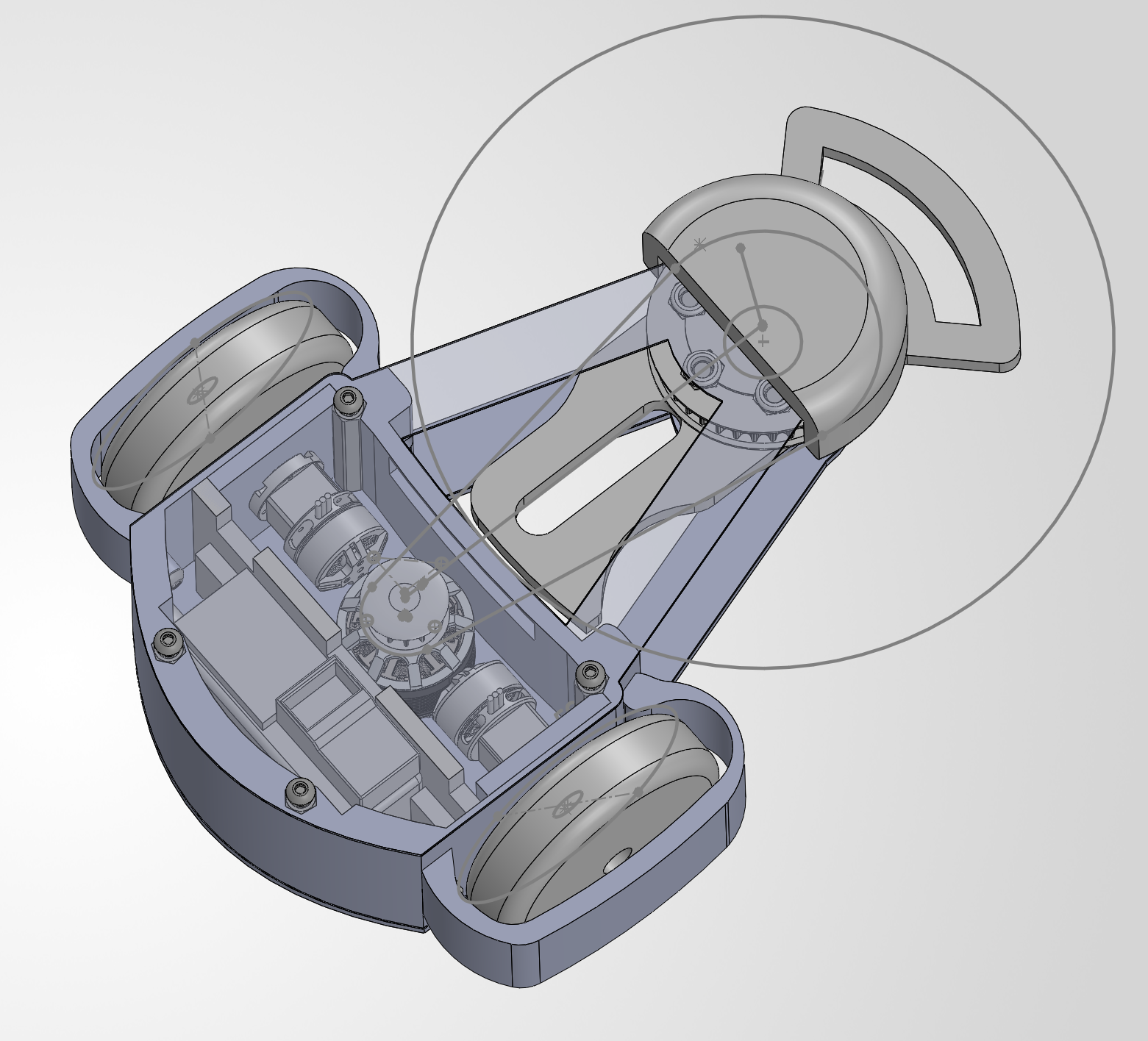
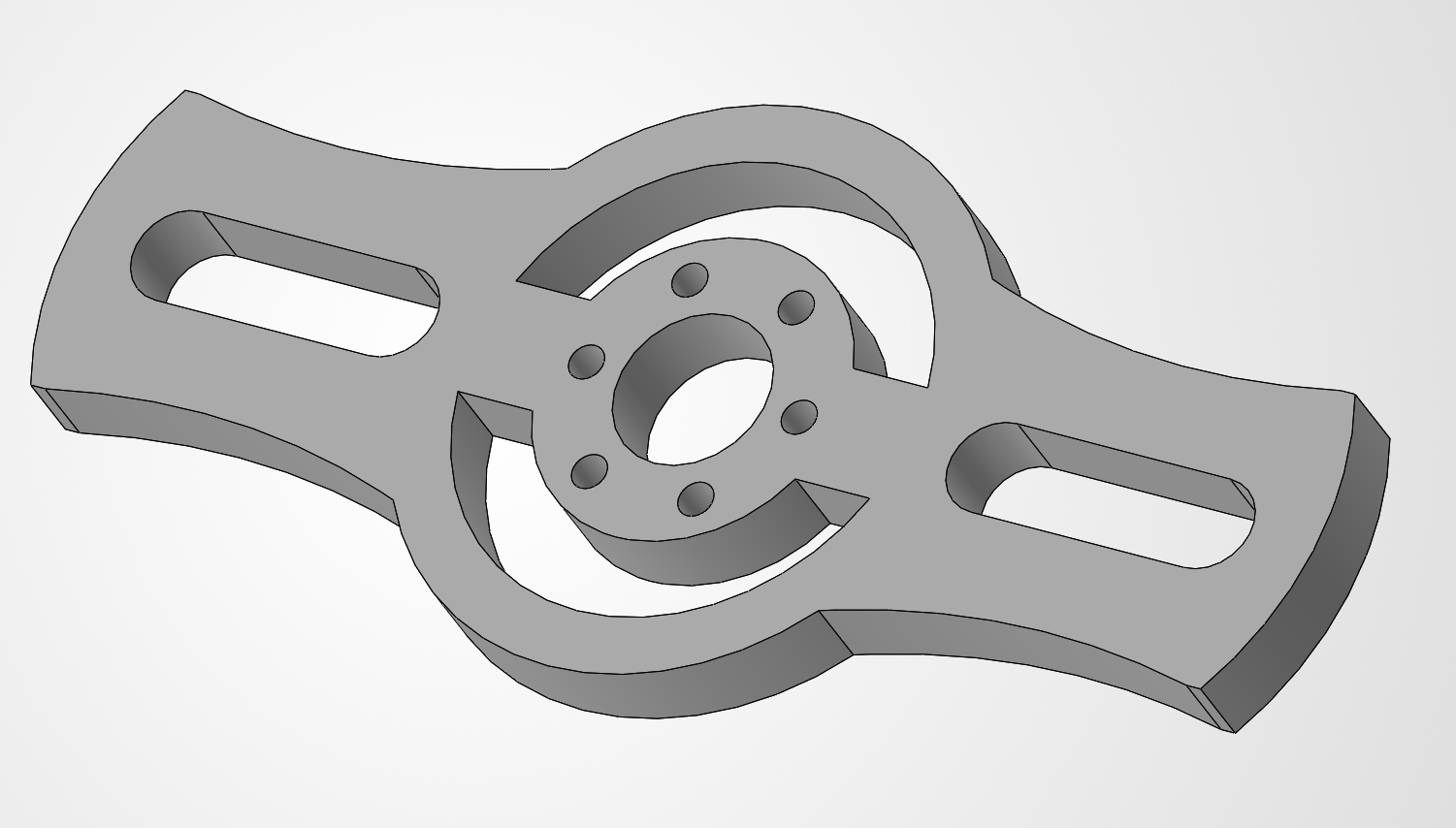
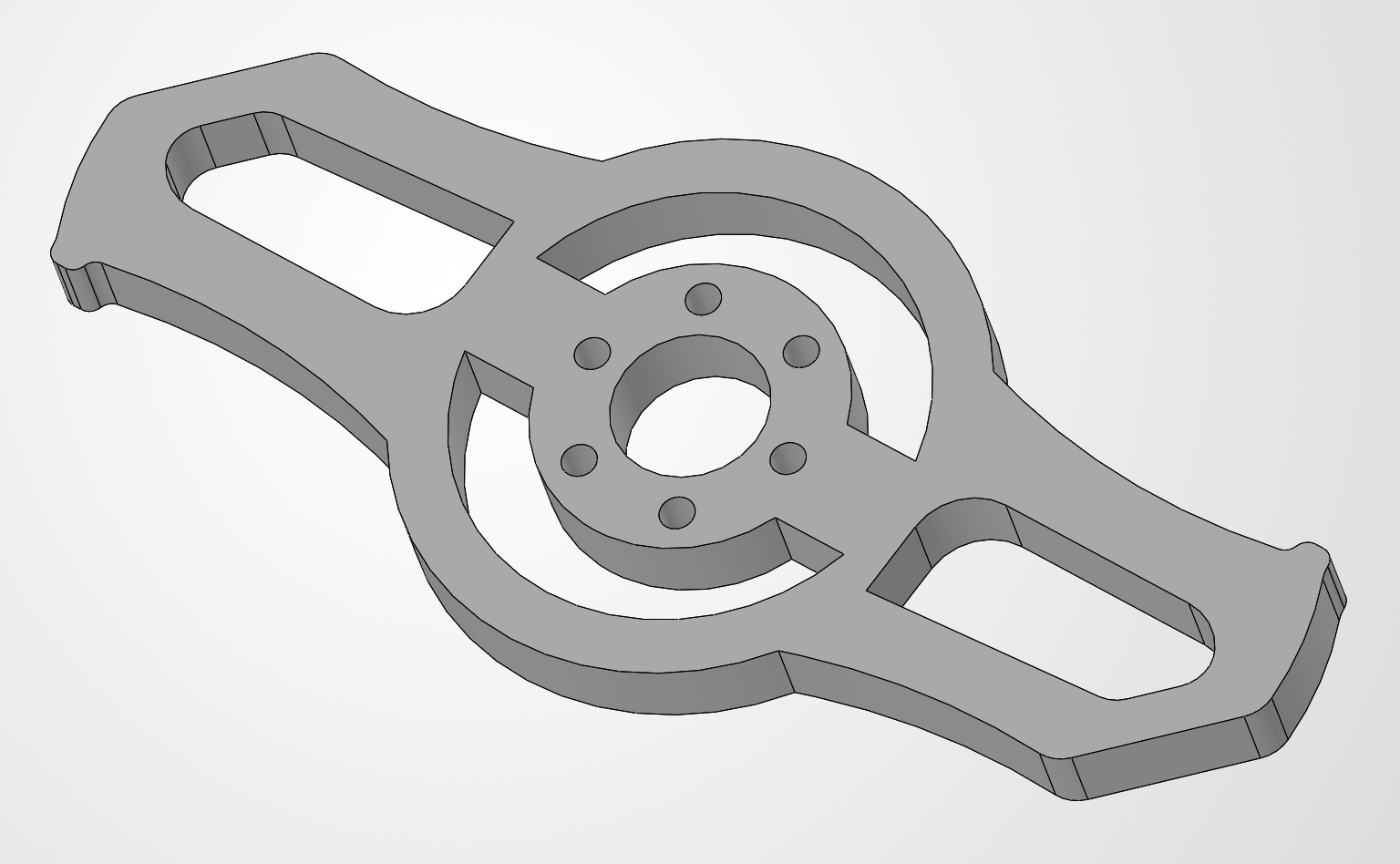
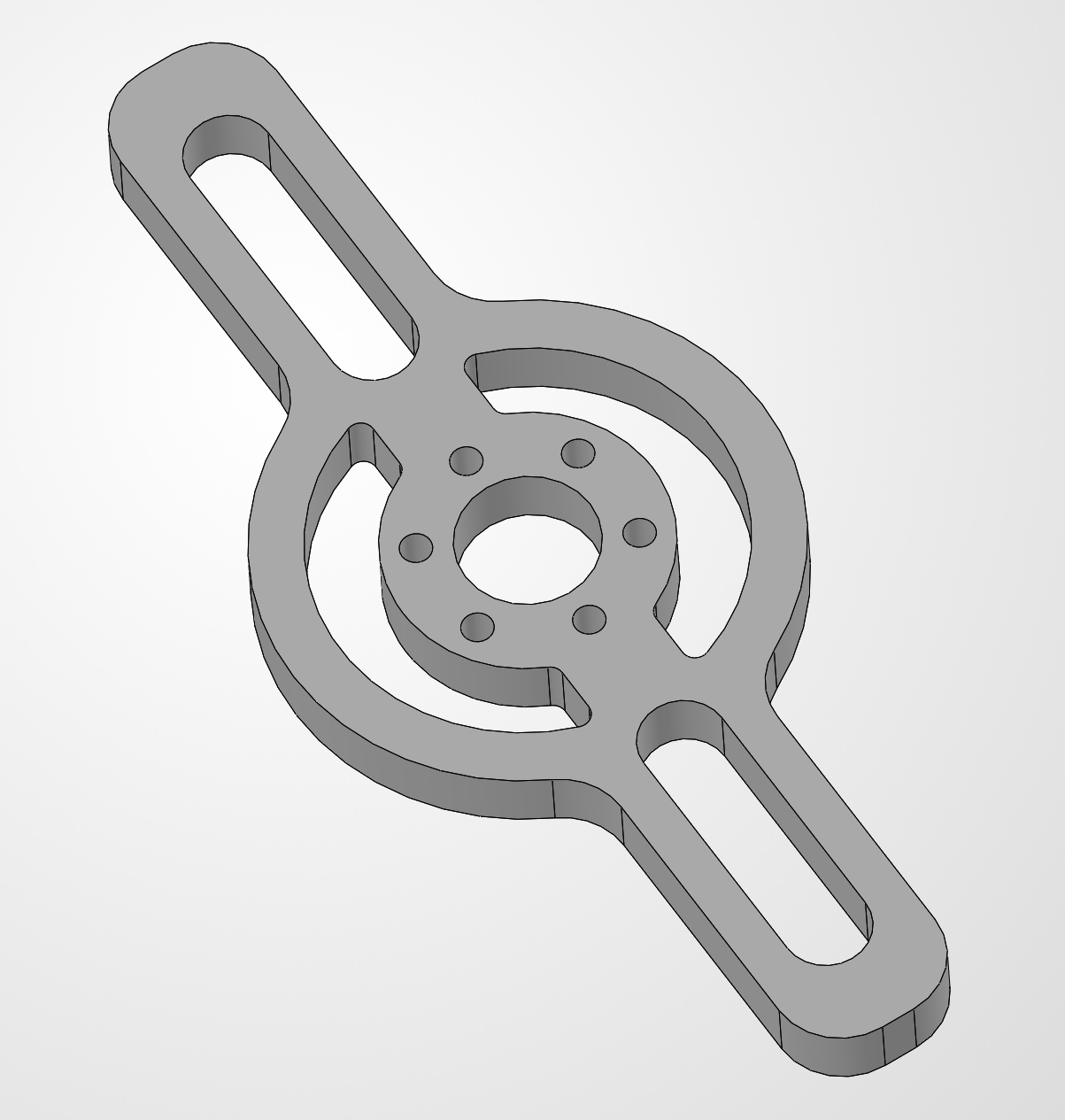
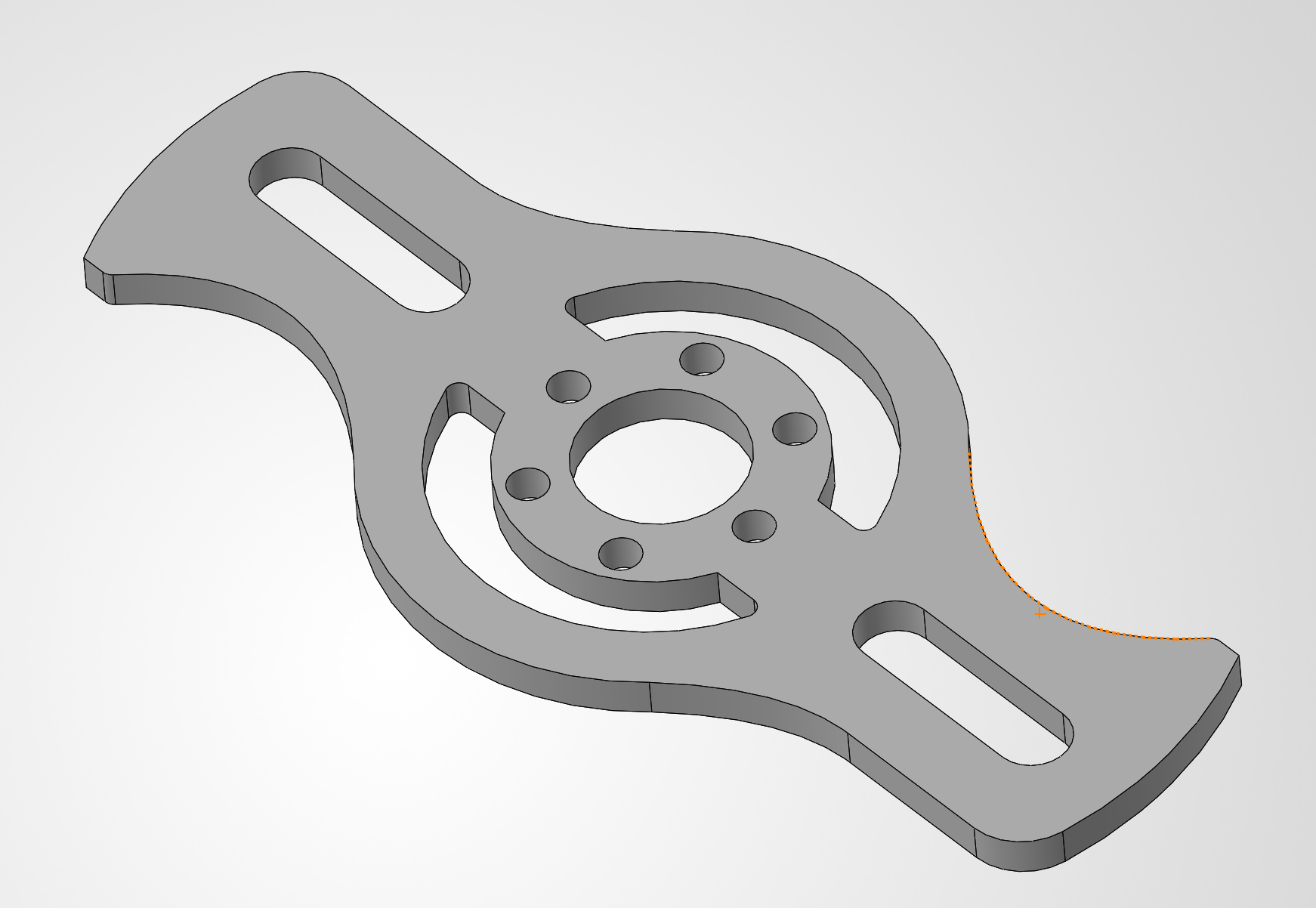
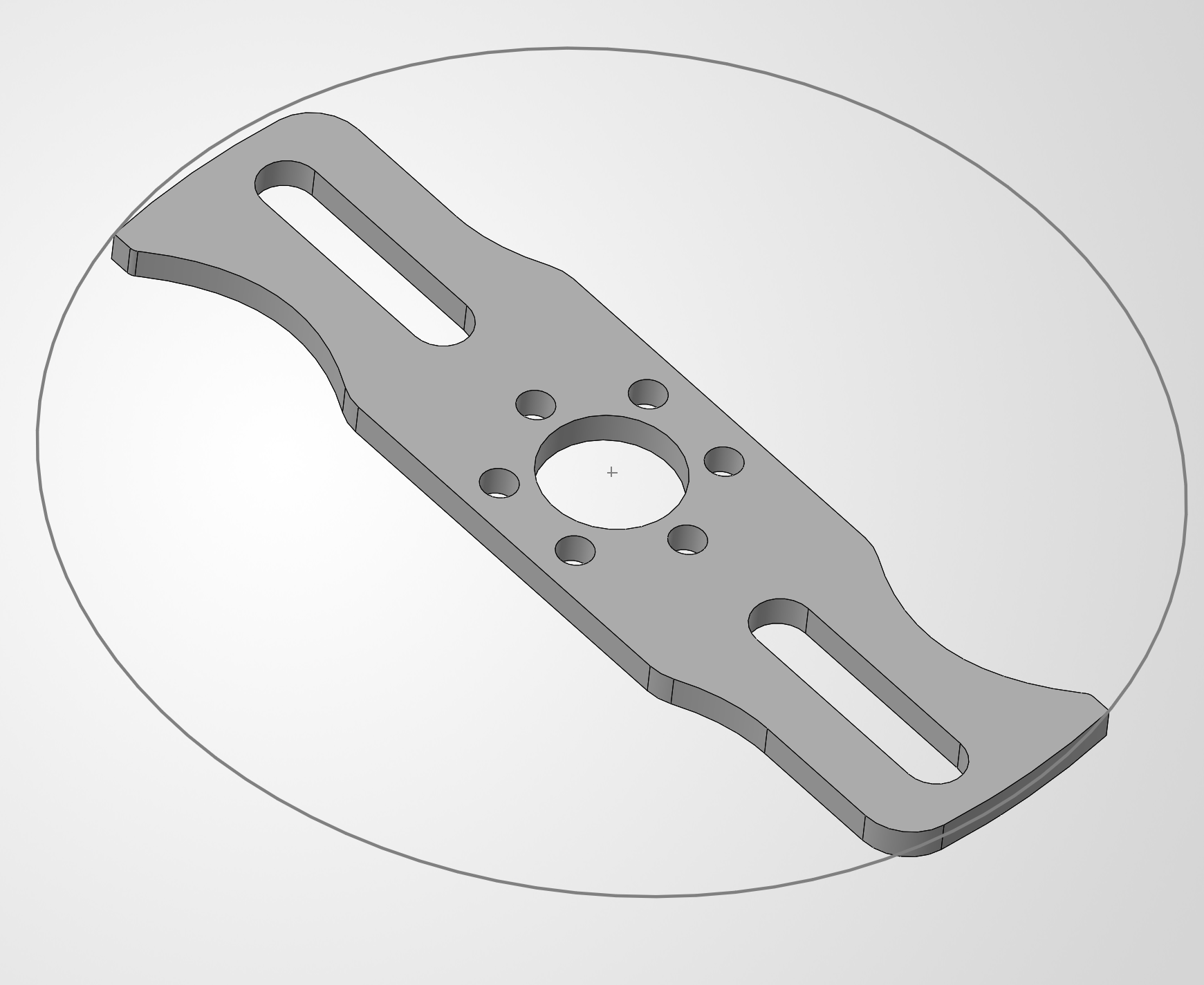
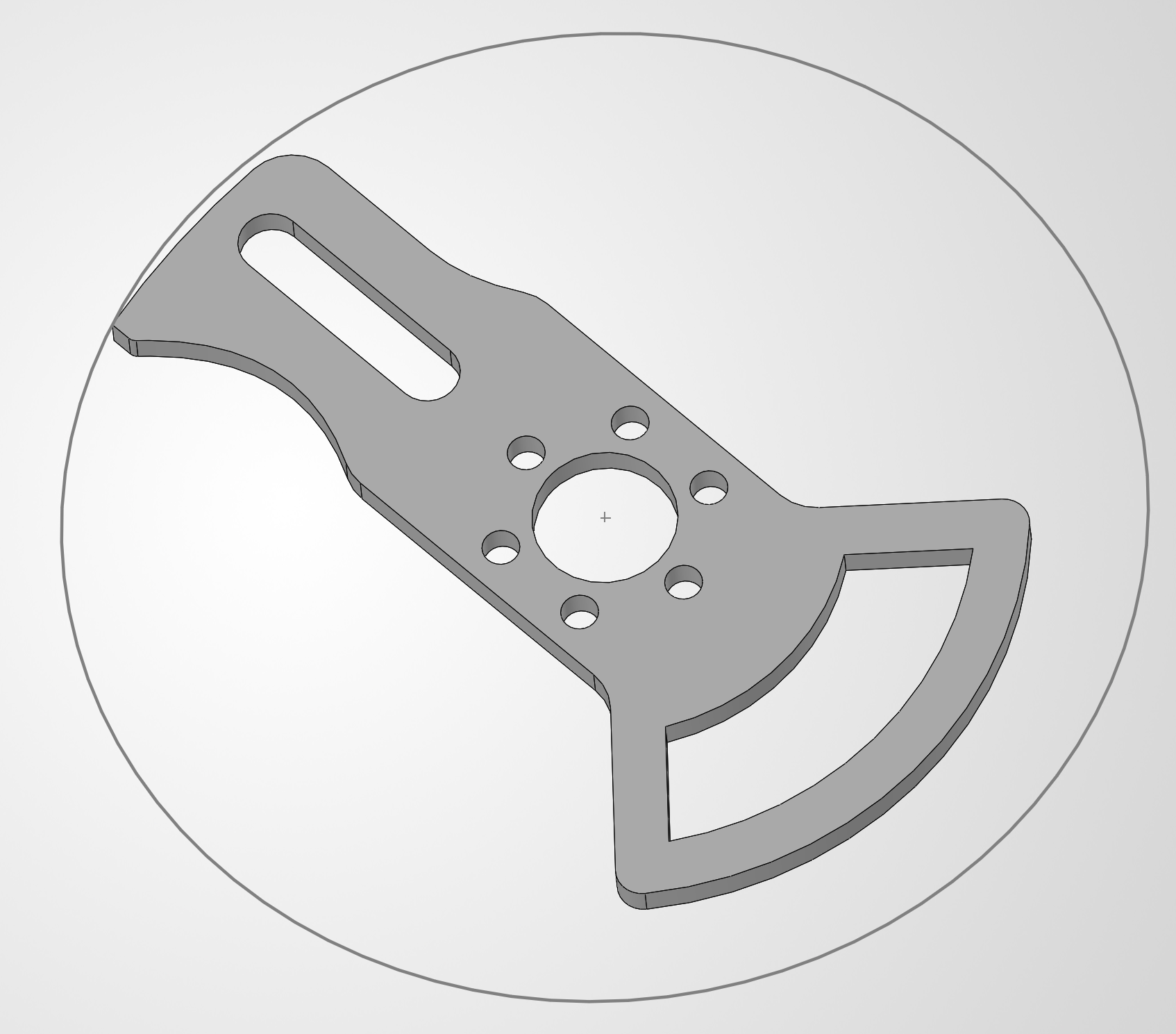
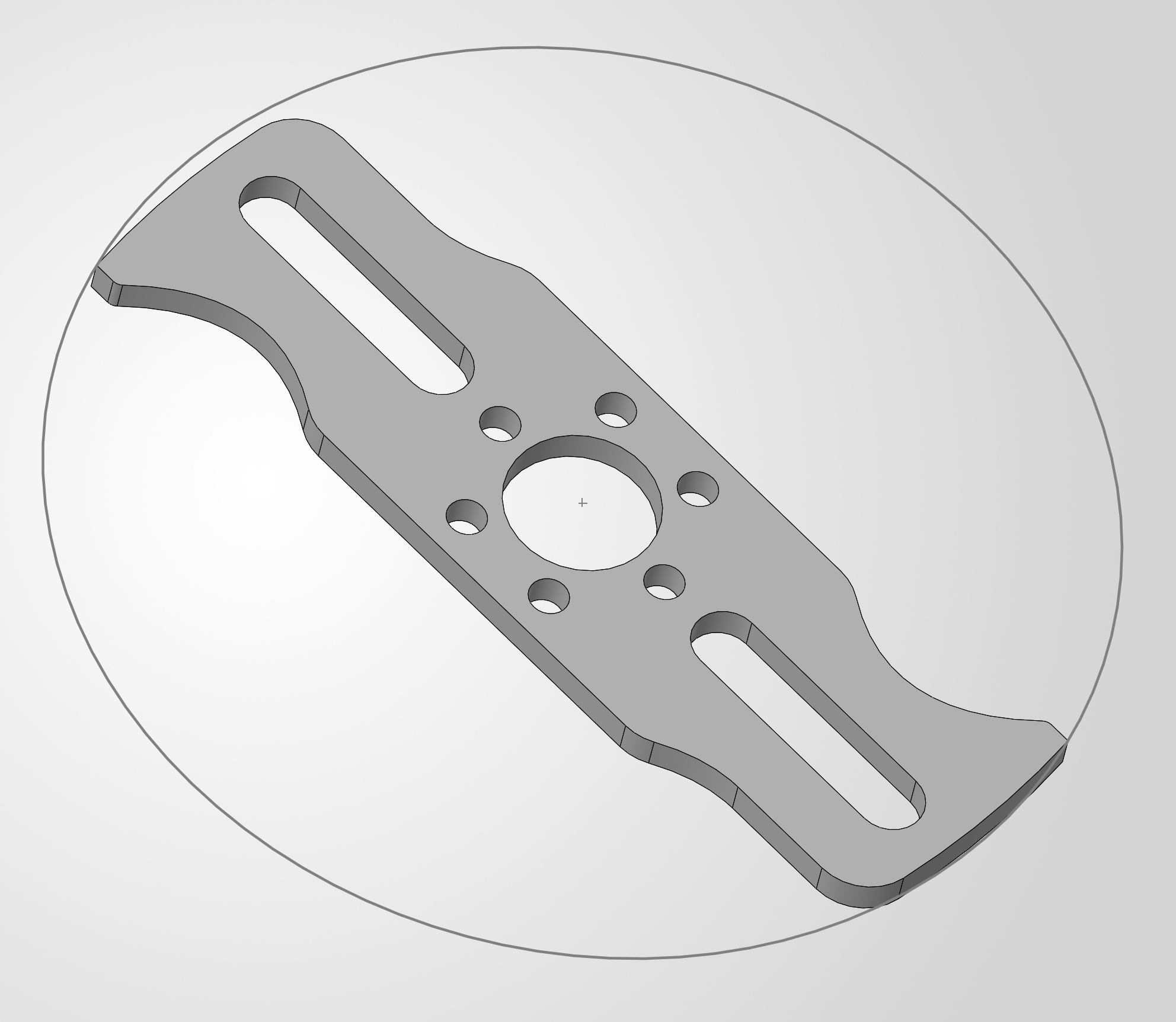
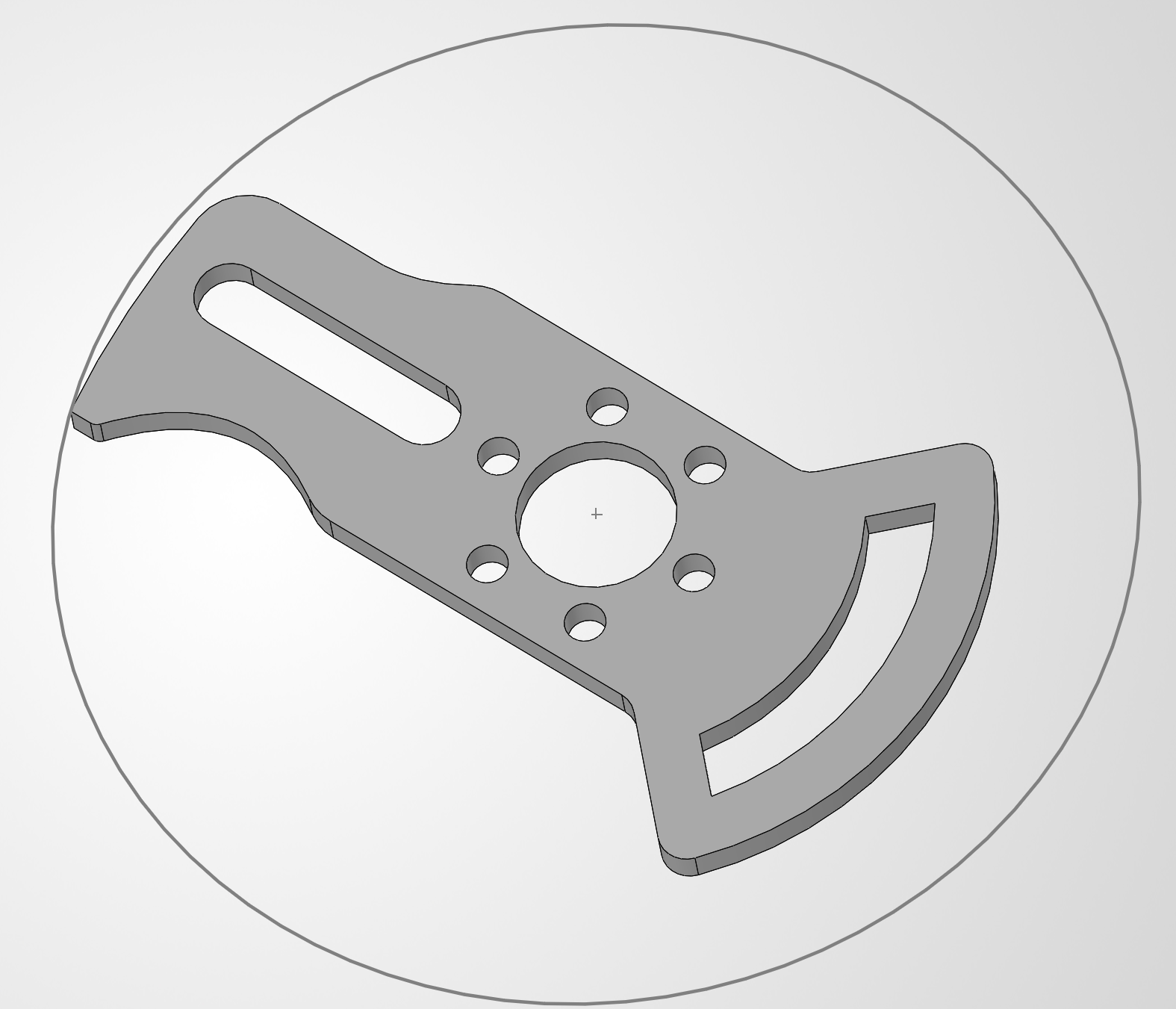
Our primary offensive capability was a high-RPM kinetic energy weapon. Balancing moment of inertia, bite size, impact area, and spin-up time was critical. The slideshow below tracks the evolution of the weapon assembly from initial CAD models through various geometrical iterations.
Below are the matches from the combat arena, showcasing the drivetrain's responsiveness and the destructive power of our kinetic weapon in extreme conditions. Though these are both losses, they taught us a lot.
• Spring 2025 (Founding & Foundations): Established Villanova Combat Robotics as an official university organization. Authored the introductory curriculum and led massive CAD workshops for underclassmen. While managing 20 members developing two 12lb combat platforms, I simultaneously initiated research and iterative design on my own competitive 3lb kinetic-energy bot.
• Fall 2025 (Restructuring & Scaling): Pivoted club strategy from large 12lb builds to an agile fleet of 3lb platforms to accelerate member learning. Integrated 3lb combat kits for newcomers alongside comprehensive technical lectures on ESCs, battery chemistries, and brushless motor dynamics. Secured foundational corporate sponsorships from Lockheed Martin, Boeing, and Gene Haas, leveraging these partnerships to host professional development and practical robotics workshops.
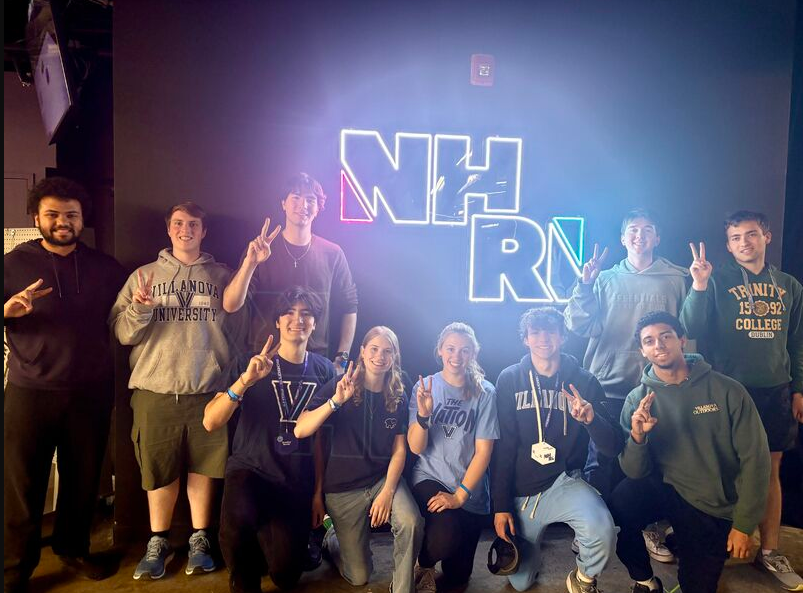
• Spring 2026 (Fabrication & Competitive Debut): Designed and constructed an NHRL-compliant polycarbonate test arena for safe, high-RPM kinetic weapon validation. Finalized my personal 3lb combat robot after extensive failure-analysis-driven iterations. Deployed teams to our inaugural National Havoc Robot League (NHRL) competition in May. My engineered platform successfully passed stringent tech inspections and secured a 2-2 record in its competitive debut, yielding invaluable telemetry and damage data for future designs.
• Fall 2026 (Massive Expansion & Next-Gen Systems): Acquired additional strategic sponsorships from Just 'Cuz Robotics, Onshape, CNCMadness, and Repeat Robotics. Successfully scaled the organization to over 45 active members structured across 16 distinct engineering teams. Orchestrated an internal entry-level Sumobot competition for 5 novice teams, while managing the remaining 11 teams (three 12lb platforms, eight 3lb platforms) preparing for the upcoming Spring NHRL circuit. Concurrently pivoted my personal engineering focus to a highly complex 12lb multibot system featuring an integrated flamethrower.
.png)
.png)
• Strategic Finance: Secured $15,000+ from industry partners, executing complex budget allocations across 5 competitive builds. • Infrastructure Development: Designed and constructed an NHRL-compliant polycarbonate test enclosure to safely validate high-RPM kinetic weapons within the university lab. • Project Lifecycle: Managed fifteen distinct engineering teams through the entire product lifecycle from conceptual sketches and FEA validation to CNC machining, final assembly, and competitive deployment. During said competition we had to rapidly adapt and adjust, fixing broken parts, preparing for certain competition matchups, and adjusting any errors that were overlooked during simulation.
Next Project — 05