Case Study — 13 / Engineering Entrepreneurship Fellow / 2024
Thermodynamic Cooling Systems for Agriculture
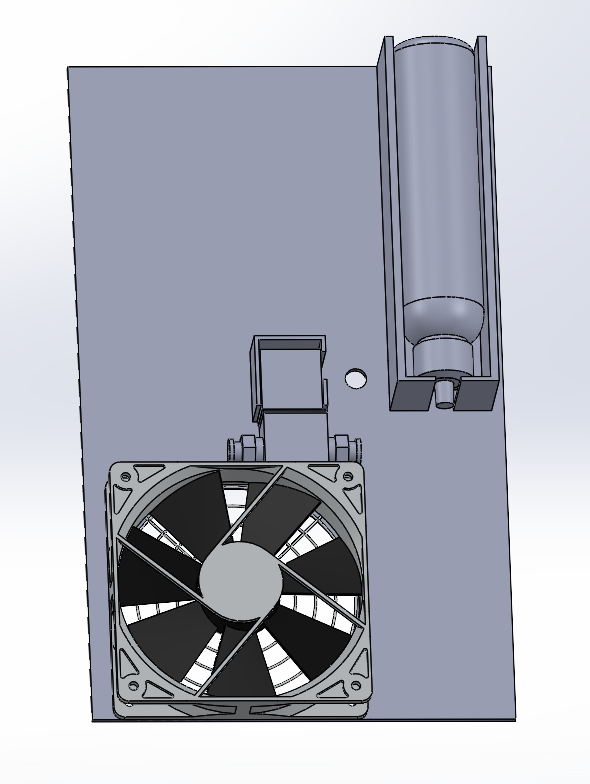
Engineered and field-tested a passive thermodynamic cooling system in Panama to mitigate agricultural spoilage, utilizing principles of evaporative cooling.
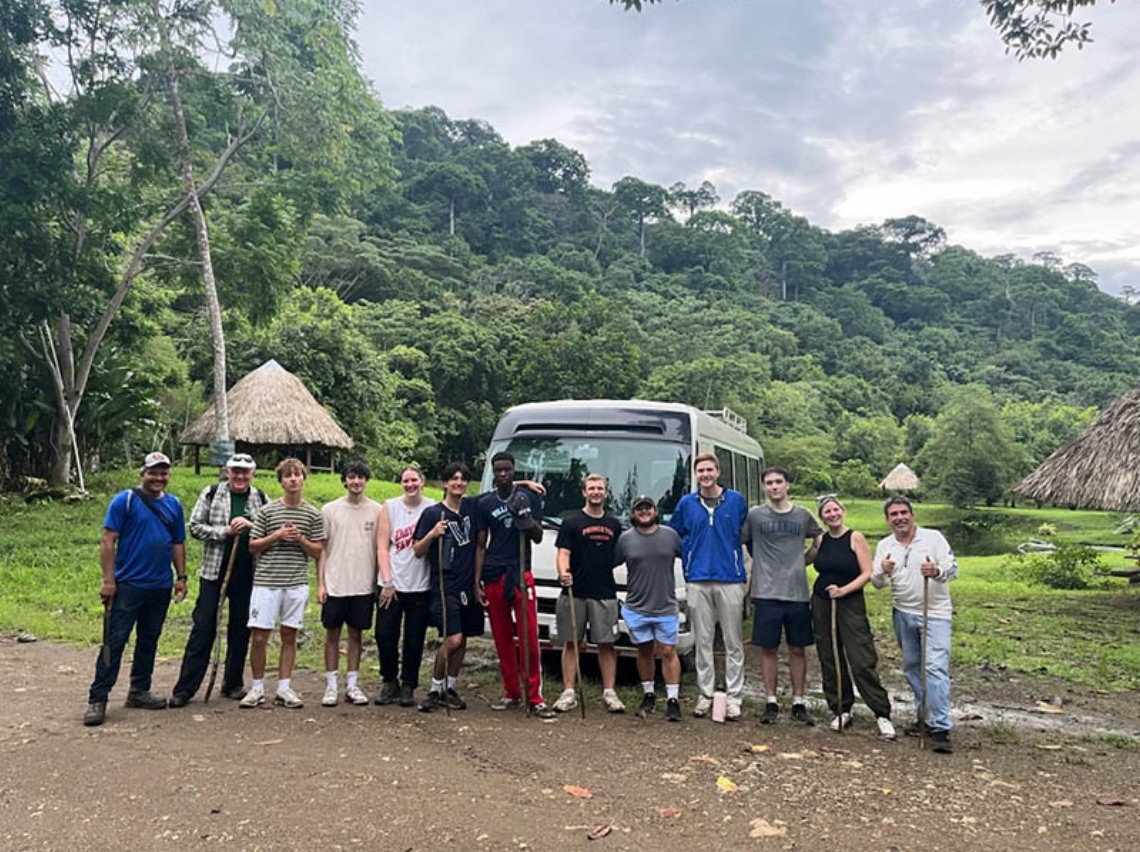
Selected for Villanova University's Engineering Entrepreneurship Summer Institute (E2SI), an intensive 8-week, 16-credit program. The initiative began with 5 weeks of rigorous study in technology-driven startups, engineering ethics, and financial modeling in the U.S. This was followed by a 3-week immersive deployment to the City of Knowledge in Panama, where my team and I were tasked with developing a business venture to solve a critical agri-tech challenge impacting the Panamanian economy.
While in Panama, I met directly with local farmers and farm stand owners in rural mountainous regions to test and validate our understanding of their logistical challenges. We identified a critical supply-chain bottleneck: farmers transport crops to the city in the open beds of pickup trucks, and due to the lack of cold-chain infrastructure, up to 15% of their harvest spoils before reaching the consumer. Traditional refrigeration solutions are prohibitively expensive and require reliable electricity, rendering them unviable.
In response to the farmers' direct feedback, I helped engineer a highly scalable, user-centered passive cooling system. We designed an efficient, affordable cooling device that inserts directly into standard wood shipping pallets to prevent spoilage during transport.
Key Technical Specifications: • Evaporative Cooling Engine: Leverages thermodynamic phase-change principles for zero-energy operation. • Thermal Performance: Insulated chamber capable of maintaining 10-15°C temperature differentials below ambient conditions. • Sustained Actuation: Integrated water reservoir system providing continuous cooling cycles during long transport routes. • Modular Integration: Designed to retrofit directly into existing wooden agricultural pallets, using locally sourced materials for rapid assembly and easy field maintenance.
At the conclusion of the deployment, I pitched our startup venture and virtual SolidWorks prototype to a panel of local Panamanian and international experts. Targeting small-scale farmers (1-5 hectares), the system was engineered for an aggressive price point of $50-$100 per unit, distributed via partnerships with local agricultural cooperatives.
The expert panel validated that our product is not only feasible but has the potential to elevate wages and the standard of living for Panamanian farmers by significantly reducing that 15% crop loss. The E2SI program deeply tapped into my creative and critical thinking skills, proving that as an engineer and entrepreneur, I can architect novel solutions that actively lift communities out of poverty.
Next Project — 11