Case Study — 11 / Interdisciplinary Team Member / 2023
Biomechanical Prosthetic Hand
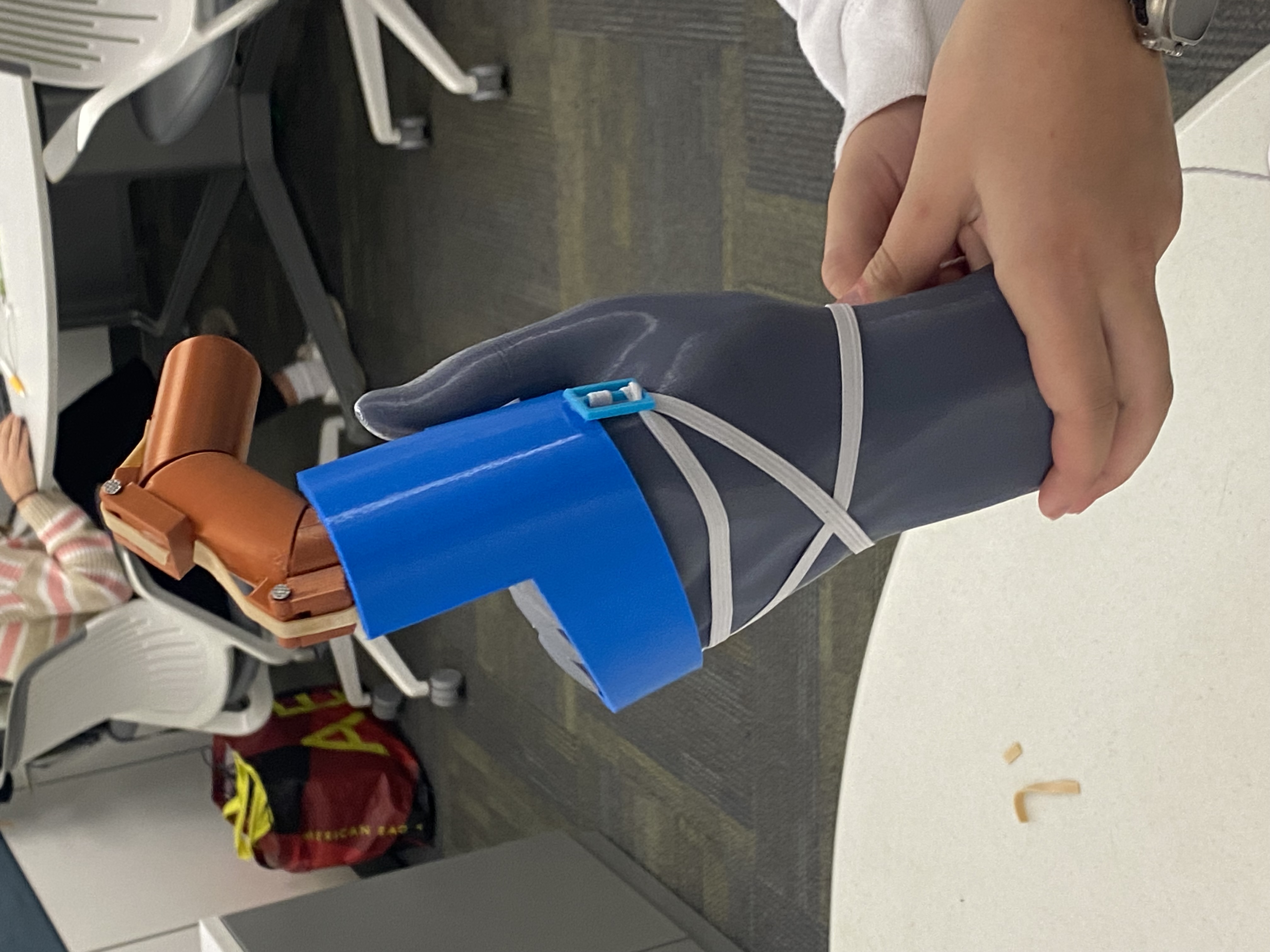
Designed a tendon-actuated biomechanical prosthetic hand utilizing SolidWorks and 3D printing.
Military veterans and individuals who have suffered traumatic finger amputations often face prohibitive costs when seeking functional prosthetics. The objective of this project was to architect a highly affordable, fully functional biomechanical prosthetic hand prototype on a strict budget. The design needed to restore basic grip capabilities for daily tasks while keeping manufacturing and material costs strictly under $50.
I collaborated within a cross-functional team of mechanical, biomedical, and computer engineers. By pooling diverse expertise, we ensured the design addressed motion mechanics, human factors and ergonomics, and laid the structural groundwork for future electronic sensor integration.
Developed through a systematic engineering methodology, we researched existing prosthetic architectures before generating multiple conceptual sketches to evaluate biomechanical trade-offs. The final architecture was completely modeled in SolidWorks, optimizing the geometry specifically for rapid, low-cost FDM 3D printing.
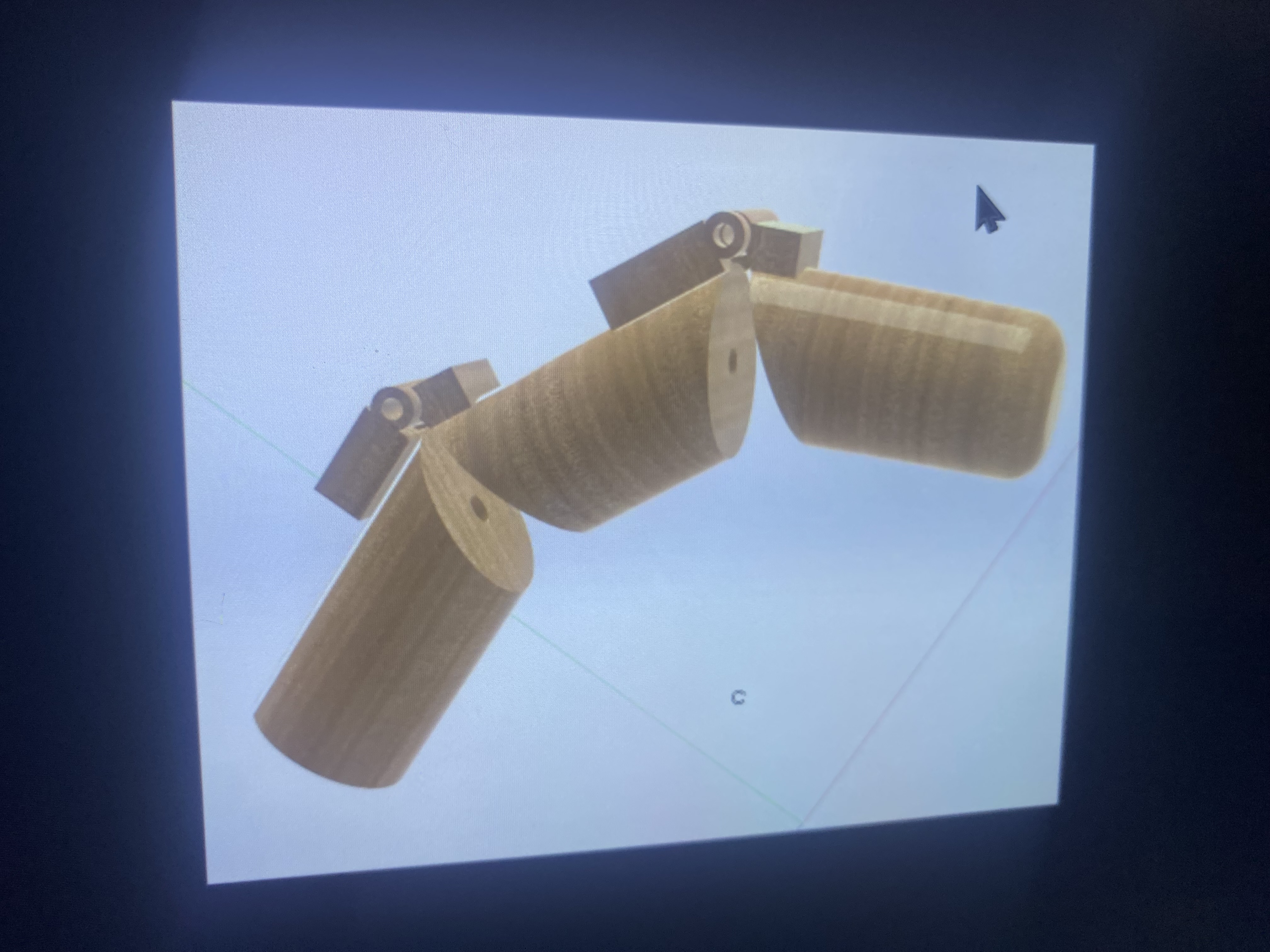
The core mechanical design focuses on replicating human kinematic range of motion using a purely mechanical, tendon-driven system:
• Multi-Joint Finger Mechanisms: Engineered joint systems that mimic the natural articulation of human phalanges. • Tendon-Based Actuation: Utilizes a string-based tension system routed through the 3D-printed channels for coordinated, simultaneous finger contraction. • Structural Foundation: A rigid palm base provides necessary load-bearing support for gripping, while a secure wrist interface safely mounts to the residual limb. • Ergonomics & Sizing: The modular CAD design allows parametric scaling to adapt to different hand sizes, ensuring comfortable daily wear without pressure points.
Next Project — 10